Easy Homemade Pizza Dough Recipe (Perfect Every Time!)
As an Amazon Associate I earn from qualifying purchases.
Last edited: March 19, 2026
⭐⭐⭐⭐⭐ (4.9/5 based on reader reviews)
📖 Jump to Recipe | 💬 Jump to FAQs | 🖨️ Print Recipe
Prep Time: 15 minutes | Rise Time: 2.5-3 hours | Total Time: 3 hours and 15 minutes | Yield: 2 thick crust pizzas or 3 thin crust pizzas | Difficulty: Easy
Why This Pizza Dough Recipe Works
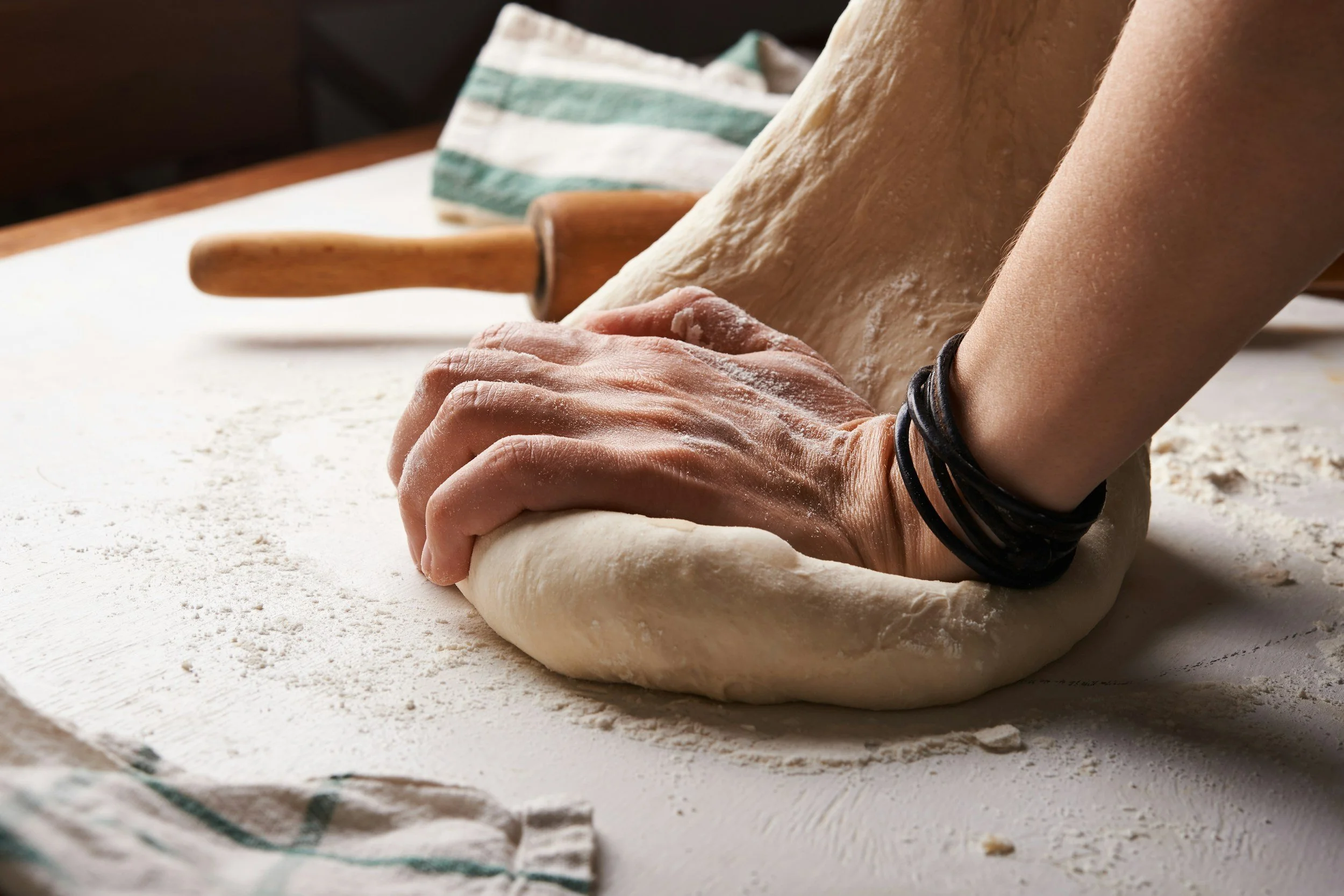
This foolproof homemade pizza dough recipe uses just 5 simple ingredients you probably already have in your pantry. No special equipment needed—just a bowl, your hands, and a little time. The long, slow rise develops incredible flavour and creates that perfect chewy-yet-crispy texture you love from your favorite pizzeria.
Whether you're making Friday night pizza with the family or hosting a pizza party, this versatile dough works beautifully for thick, fluffy crusts or thin, crispy ones. Plus, it freezes perfectly for those nights when you need homemade pizza in a hurry!
Ingredients You'll Need
Main Ingredients
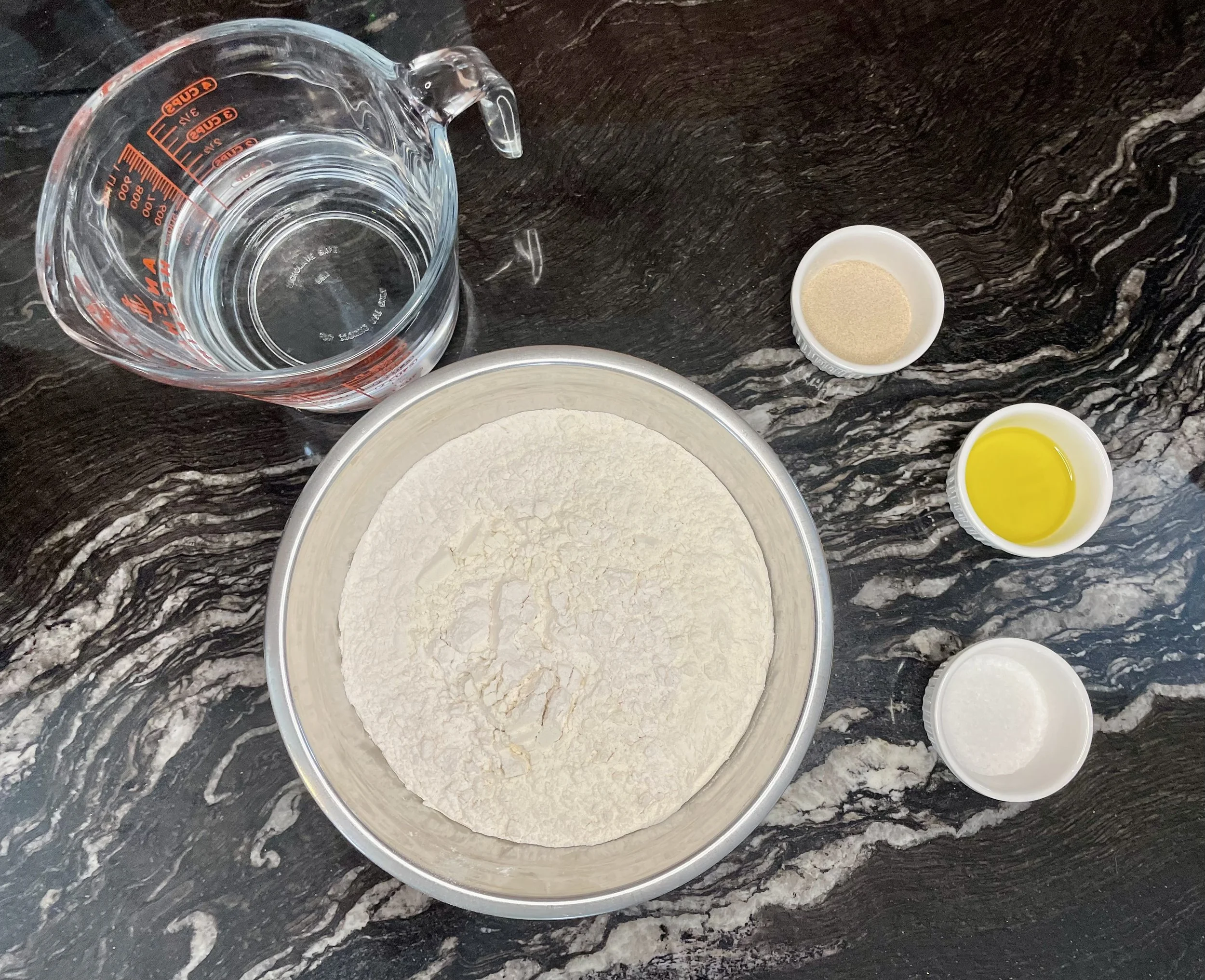
2¼ cups cold water - cold water helps control the fermentation
2 teaspoons active dry yeast - or instant yeast
1½ teaspoons kosher salt - for flavour and gluten development
1 tablespoon extra virgin olive oil - adds flavour and helps with texture
5 cups all-purpose flour - plus extra for dusting
Kitchen Equipment
Large mixing bowl (affiliate link) or stand mixer with dough hook attachment
Measuring cups and spoons (affiliate link)
Tea towel or plastic wrap
Large bowl for rising
Warm place for proofing (oven with light on works perfectly)
How to Make Pizza Dough: Step-by-Step Instructions
Step 1: Combine the Ingredients
In a large mixing bowl or the bowl of your stand mixer fitted with the dough hook, add the ingredients in this exact order: cold water, yeast, salt, olive oil, and flour. The order matters because it helps the yeast activate properly without being shocked by direct contact with salt.
Step 2: Mix and Knead the Dough
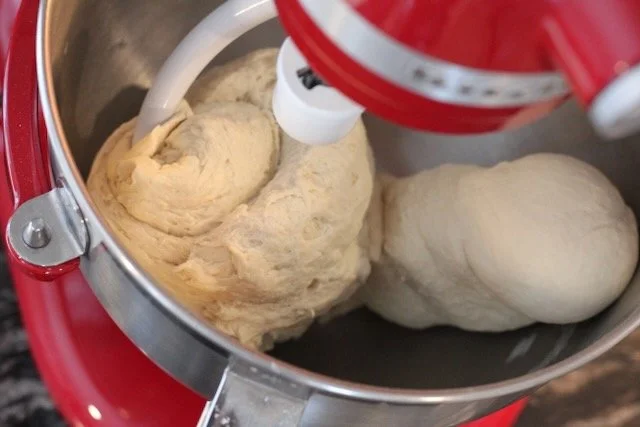
Using a stand mixer: Mix on low speed until ingredients come together and knead at that same speed for 10 minutes. The dough should pull away from the sides of the bowl and become smooth and elastic.
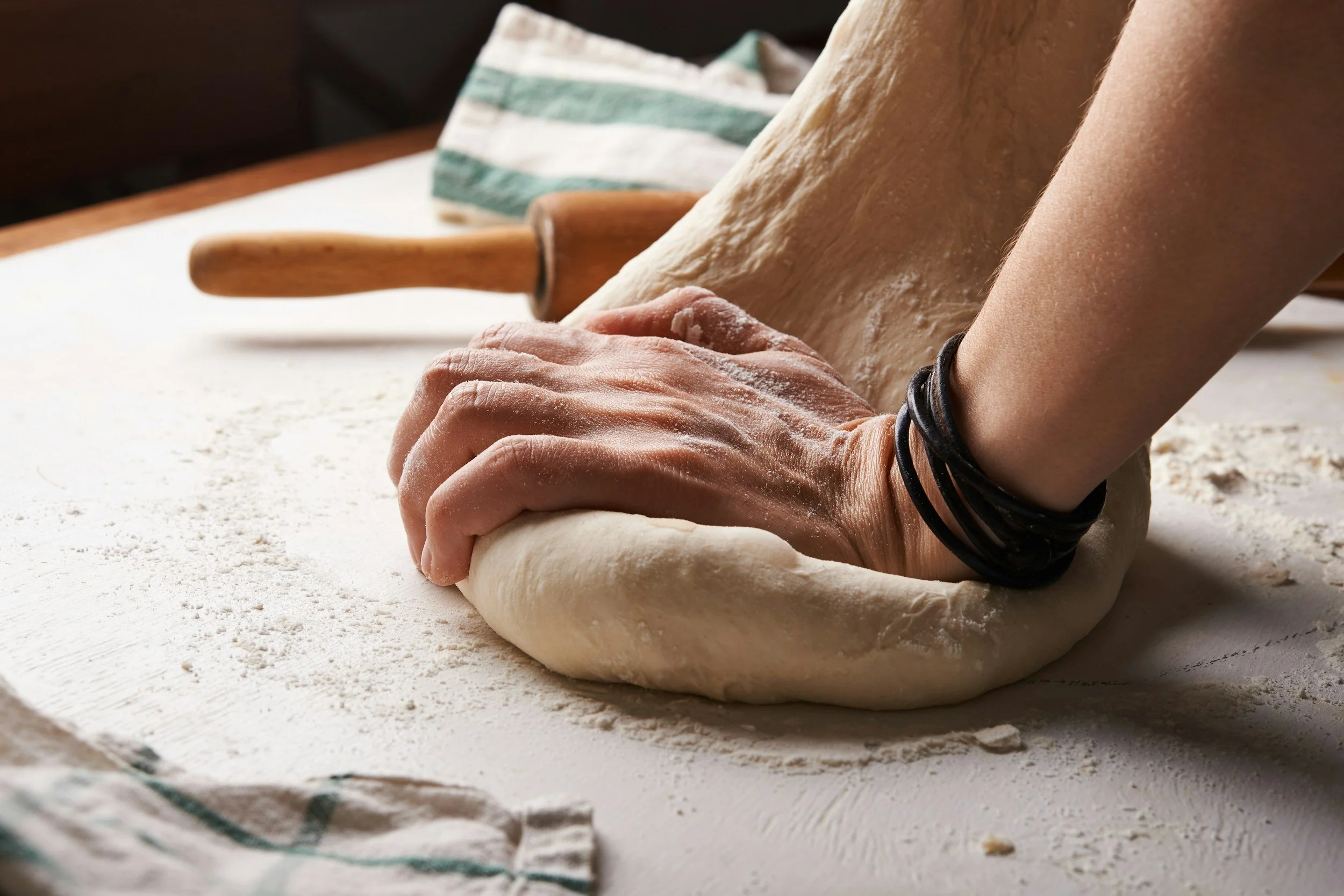
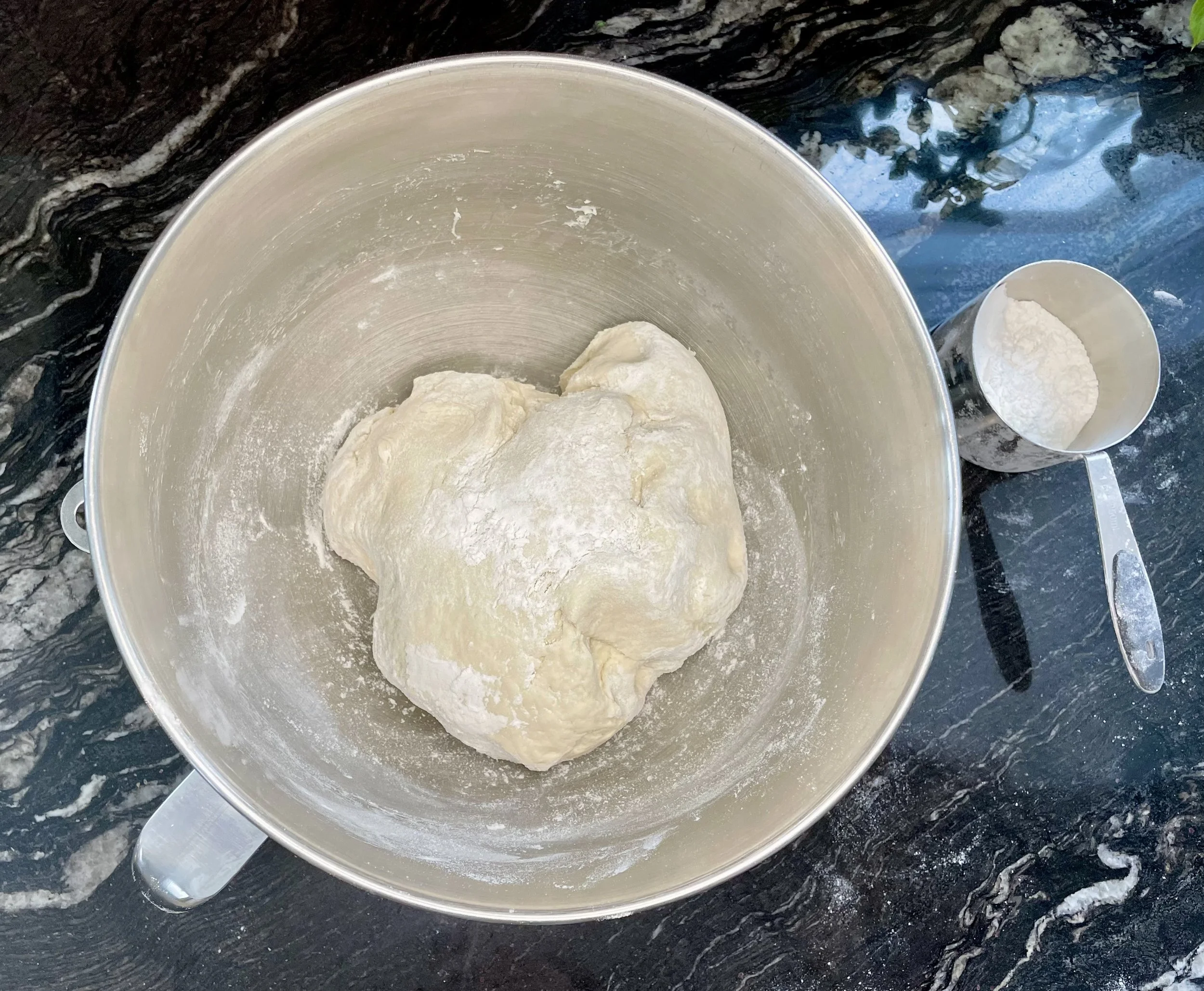
Kneading by hand: Mix the ingredients with a wooden spoon until they form a shaggy dough. Turn out onto a lightly floured surface and knead for 12-15 minutes. Push the dough away with the heel of your hand, fold it back over itself, turn it a quarter turn, and repeat. The dough is ready when it becomes smooth, elastic, and soft to the touch. It should spring back when you poke it gently.
Step 3: Prepare for Rising
Lightly dust the dough ball with flour to prevent sticking. Place it in a large, lightly oiled mixing bowl. The bowl should be big enough to allow the dough to double in size.
Step 4: Let It Rise
Cover the bowl with a clean tea towel or plastic wrap. Place in a warm, draft-free spot—the oven with just the light turned on is ideal. Let the dough rise until it doubles in size, approximately 2.5 to 3 hours. The dough is ready when you press a finger into it and the indentation slowly springs back.
Step 5: Use or Store Your Dough
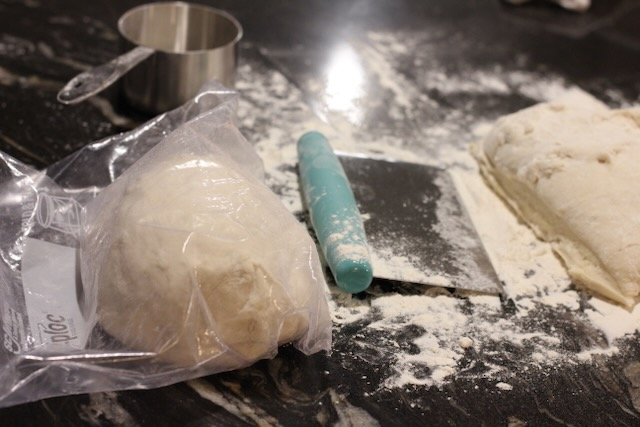
Once doubled, the dough is ready to use! Place on a floured countertop, and divide into 2 portions for thick crust pizzas or 3 portions for thin crust pizzas. Shape into balls, being careful not to puncture the air bubbles and gentle stretch it out by hand to fit your pizza pan. I don’t recommend the use of a rolling pin, because it flattens the dough and removed the air bubbles.
Pro Tips for Perfect Pizza Dough
Use cold water: Cold water slows down yeast activity, giving you better control over the rise and developing more complex flavours.
Don't rush the rise: The 2.5-3 hour rise time is crucial for flavour development. Faster isn't better with pizza dough!
The windowpane test: To check if you've kneaded enough, stretch a small piece of dough. If it stretches thin enough to see light through it without tearing, you're done kneading.
Proper kneading is key: Under-kneaded dough will be tough and dense. Over-kneaded dough becomes sticky and won't hold its shape. Look for smooth, elastic dough that springs back when poked.
Warm rising environment: Yeast loves warmth. An oven with just the light on maintains the perfect temperature (around 75-80°F).
Flour as needed: If your dough is too sticky, add flour one tablespoon at a time. If it's too dry, add water one teaspoon at a time.
Storage and Make-Ahead Instructions
Refrigerator: After the Doug has risen, you can refrigerate the dough in an airtight container for up to 3 days. The slow, cold fermentation actually improves the flavour! Bring to room temperature (about 30 minutes) before shaping, with emphasis on room temperature. Cold dough doesn’t like to be stretched.
Freezer: This dough freezes beautifully for up to 3 months. After the rise, divide into portions, shape into balls, and wrap each tightly in plastic wrap, then place in a freezer bag. Thaw overnight in the refrigerator, then bring to room temperature before using, with emphasis on room temperature. Cold dough doesn’t like to be stretched.
Make-Ahead: Prepare the dough the night before and let it rise slowly in the refrigerator overnight (8-12 hours). This cold fermentation creates incredible flavour and makes pizza night even easier!
How to Use Your Pizza Dough
Shaping Your Pizza
Let the dough rest at room temperature for 15-20 minutes before shaping
On a lightly floured surface, gently press the dough into a circle, or the shape of your pan.
Use your fingertips to push from the center outward, leaving a thicker edge for the crust
Stretch carefully, rotating as you go
For thin crust: roll with a rolling pin to your desired thickness
For thick crust: hand-stretch to about ½-inch (1 cm) thick
Baking Your Pizza
Preheat oven to 450°F (230°C) for at least 30 minutes
Baking sheet
Bake for 10-15 minutes until crust is golden and cheese is bubbly
For crispier crust, brush the edges with olive oil before baking

Variations and Flavour Ideas
Prosciutto and green olives: This is a household favourite of ours! The trick is to sprinkle granular garlic and basil over the toppings, just before baking it. Ours kids have come to expect this pizza every Friday night seeing Friday night, is pizza night at our house!
Garlic Herb Dough: Add 2 teaspoons Italian seasoning and 1 teaspoon garlic powder to the flour.
Whole Wheat Pizza Dough: Replace 2 cups of all-purpose flour with whole wheat flour for a nuttier, heartier crust.
Honey Wheat Dough: Add 1 tablespoon honey with the wet ingredients and use half whole wheat flour.
Sourdough Pizza Dough: Replace 1 cup of water and 1 cup of flour with active sourdough starter for tangy flavour.
Herbed Crust: Brush shaped dough with garlic butter and sprinkle with fresh herbs before adding toppings.
Parmesan Crust: Mix ¼ cup grated Parmesan into the dough for extra flavour.



Troubleshooting Common Pizza Dough Problems
Dough won't rise: Your yeast may be expired, or the water was too hot (which kills yeast) or too cold (which slows activation). Use water around 75-80°F for best results.
Dough is too sticky: Add flour, one tablespoon at a time, while kneading. Humidity can affect dough consistency.
Dough is tough and chewy: You may have added too much flour or didn't knead long enough. Proper kneading develops gluten for that perfect texture.
Dough shrinks when rolling: The dough needs more rest time. Let it relax for 10-15 minutes before trying again.
Frequently Asked Questions (FAQs)
Can I use instant yeast instead of active dry yeast?
Yes! Instant yeast and active dry yeast can be used interchangeably in this recipe with the same measurement (2 teaspoons). Instant yeast doesn't need to be activated in water first, so you can add all ingredients together. The rise time will be roughly the same.
How do I know when my pizza dough has risen enough?
The dough should double in size, which typically takes 2.5 to 3 hours in a warm environment. To test, gently press two fingers about half an inch into the dough. If the indentation slowly springs back but doesn't completely disappear, your dough is perfectly risen and ready to use.
Can I make pizza dough without a stand mixer?
Absolutely! This recipe works perfectly when kneaded by hand. It just requires a bit more arm work—knead for 12-15 minutes until the dough becomes smooth, elastic, and soft. Hand-kneading can actually give you better control and feel for the dough's texture.
Why is my pizza dough tough and not stretchy?
This usually happens for three reasons: not enough kneading (gluten didn't develop properly), too much flour added during kneading, or not letting the dough rest long enough. Make sure to knead for the full 12-15 minutes and let the dough relax for 10-15 minutes before shaping if it's resisting.
Can I freeze pizza dough?
Yes! Pizza dough freezes exceptionally well for up to 3 months. After the first rise, divide into portions, shape into balls, wrap tightly in plastic wrap, and place in freezer bags. Thaw in the refrigerator overnight, then bring to room temperature (30-60 minutes) before shaping and baking.
How long does homemade pizza dough last in the fridge?
Pizza dough will keep in the refrigerator for up to 3 days when stored in an airtight container or wrapped tightly in plastic wrap. In fact, the cold fermentation improves the flavour! Just remember to bring it to room temperature before shaping.
What's the best temperature for water when making pizza dough?
For this recipe using cold water, aim for around 60-70°F (15-21°C). Cold water gives you better control over the rise. If you were activating yeast separately, you'd want warmer water (105-115°F), but for this all-in-one method, cold water works best.
Can I use bread flour instead of all-purpose flour?
Yes! Bread flour has higher protein content, which creates more gluten and results in a chewier, more structured crust (like New York-style pizza). You can substitute bread flour 1:1 for all-purpose flour. You may need to add slightly more water as bread flour absorbs more liquid.
How thick should I roll out my pizza dough
For thin crust pizza: Roll to about ⅛ to ¼ inch thick. For thick crust pizza: Hand-stretch or roll to about ½ inch (1 cm) thick. The dough will puff up during baking, so account for that when deciding thickness. Thinner crusts get crispier; thicker crusts stay softer and chewier.
Why does my pizza dough keep shrinking back when I try to stretch it?
This happens when the gluten in the dough is too tight and hasn't had enough time to relax. Let the dough rest at room temperature for 10-15 minutes, covered with a tea towel. This allows the gluten to relax, making the dough much easier to stretch without springing back.
Can I add ingredients like garlic or herbs to the dough?
Definitely! You can mix in dried herbs (Italian seasoning, oregano, basil), garlic powder, grated Parmesan cheese, or even red pepper flakes. Add these dry ingredients with the flour. For fresh herbs or minced garlic, add them during the kneading process to distribute evenly throughout the dough.
Do I need to let the dough rise twice?
This recipe only requires one rise before using. However, if you punch down the dough and refrigerate it, you can let it come to room temperature and rise slightly again for even better flavour and texture. Professional pizzerias often use multiple rises for complex flavour development.
Recipe Card
Easy Homemade Pizza Dough
Difficulty: Easy
Prep Time: 15 minutes | Rise Time: 2.5-3 hours | Total Time: 3 hours 15 minutes
Yield: 2 thick crust pizzas or 3 thin crust pizzas
Equipment Needed:
Baking Sheet * https://amzn.to/4tIlO5t (As an Amazon Associate I earn from qualifying purchases that is of no extra cost to you)
Large mixing bowl or stand mixer with dough hook
Measuring cups and spoons
Large bowl for rising
Tea towel or plastic wrap
Warm place for proofing (oven with light on)
Ingredients:
2¼ cups cold water
2 teaspoons active dry yeast (or instant yeast)
1½ teaspoons kosher salt
1 tablespoon extra virgin olive oil
5 cups all-purpose flour (plus extra for dusting)
Instructions:
Add ingredients to bowl in order listed: water, yeast, salt, olive oil, flour
Stand mixer: Knead with dough hook for 15 minutes on medium speed
By hand: Mix until combined, then knead on floured surface for 12-15 minutes until smooth and elastic
Flour the dough ball and place in large floured bowl
Cover with tea towel and let rise in warm place (oven with light on) until doubled, 2.5-3 hours
Punch down, divide into 2 or 3 portions, and shape as desired
Top and bake at 450°F (230°C) for 10-15 minutes until golden
Storage:
Refrigerator: Up to 3 days in airtight container
Freezer: Up to 3 months wrapped tightly in plastic wrap

Did You Make This Recipe? I want to see it!
Leave a picture and ⭐ star rating and comment below to let us know how your pizza dough turned out. Did you make any substitutions or additions? Share your tips and photos with us!
Share this recipe: Help others discover this delicious recipe by sharing it on Pinterest, Facebook, or Instagram. Tag us @Sageandsimplicity so we can see your beautiful creations!
📌 Pin it for later: Save this recipe to your Pinterest boards for easy access.



This spinach and cottage cheese lasagna is the one your family will ask for by name. In our house, my daughter requests it every month and it's the first thing my husband asks for after a work trip. Hearty layers, simple ingredients, and a golden cheesy top — this is what home tastes like."