Easy Soft Gingerbread Cookies (with Fresh Ginger!)
These soft gingerbread cookies are made with ¾ cup of fresh ginger root — not powdered spice. The secret? A garlic press extracts all the flavorful juice without the fibrous texture. The dough rests for 24-72 hours, allowing the fresh ginger to infuse and the molasses flavor to deepen. The result is a chewy cookie with complex, warming spice that tastes nothing like store-bought. My kids request these several times a year, especially during fall and winter. With just 7 simple ingredients and a make-ahead method, these are the easiest holiday cookies you'll ever make.
As an Amazon Associate I earn from qualifying purchases.
⭐⭐⭐⭐⭐ (4.9/5 based on reader reviews)
📖 Jump to Recipe | 💬 Jump to FAQs | 🖨️ Print Recipe
Prep Time: 20 minutes | Chill Time: 24-72 hours | Total Time: 24+ hours | Yield: 20 cookies | Serving Size: 1 cookie | Difficulty: Easy
Easy Soft Gingerbread Cookies
Introduction
Once you taste cookies made with real ginger, there's no going back to powdered spices. These soft gingerbread cookies get their incredible flavour from fresh ginger root—¾ cup of it— pressed directly into the dough for intense, warming spice that can't be replicated with anything from a jar.
The secret to these cookies? Patience. Let that dough rest for at least 24 hours in the fridge. This slow cold fermentation deepens the molasses flavour and allows the fresh ginger to fully infuse the dough. The result is a cookie with complex, layered flavour that tastes like you spent hours in the kitchen—even though the actual hands-on time is minimal.
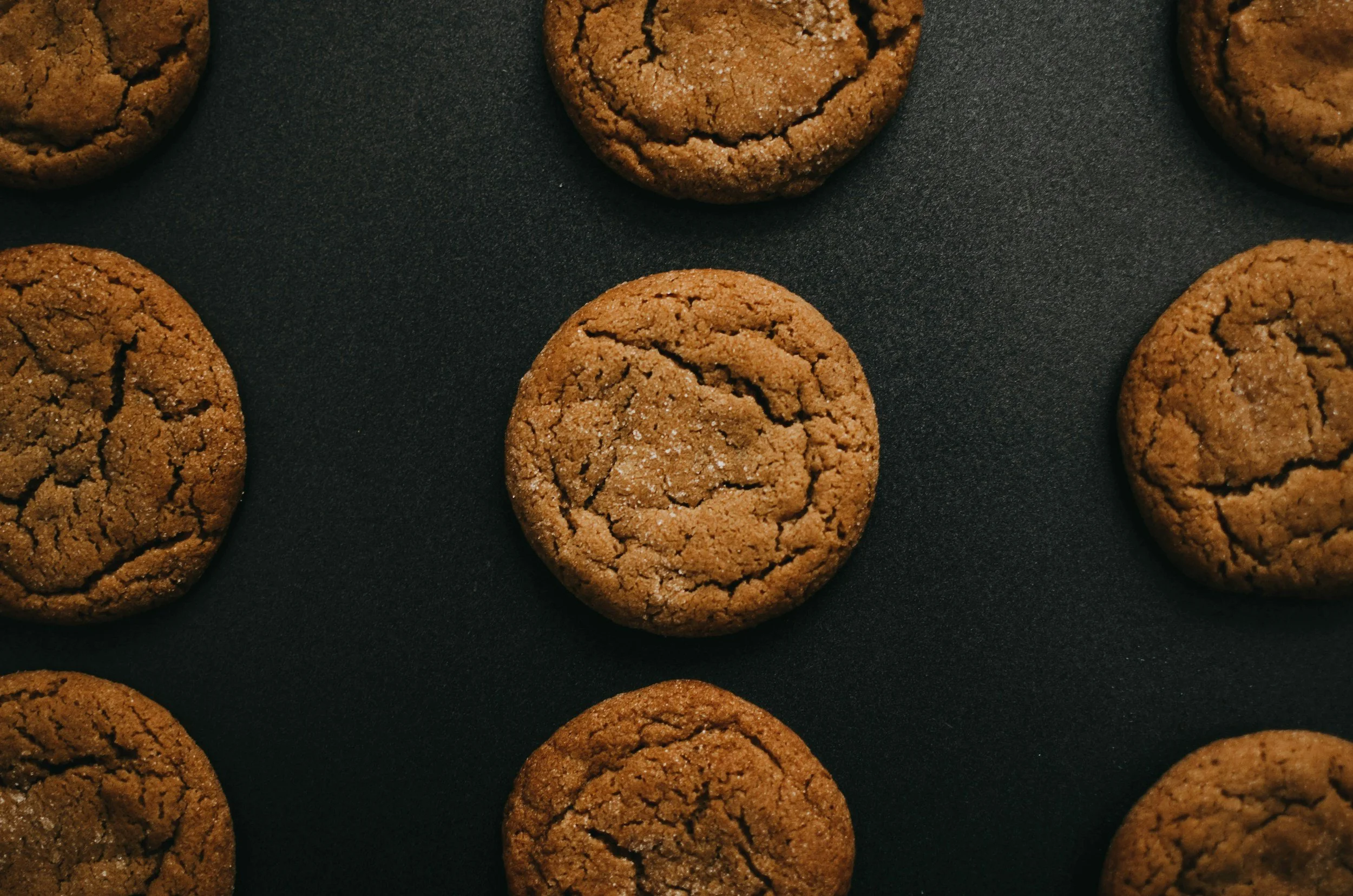
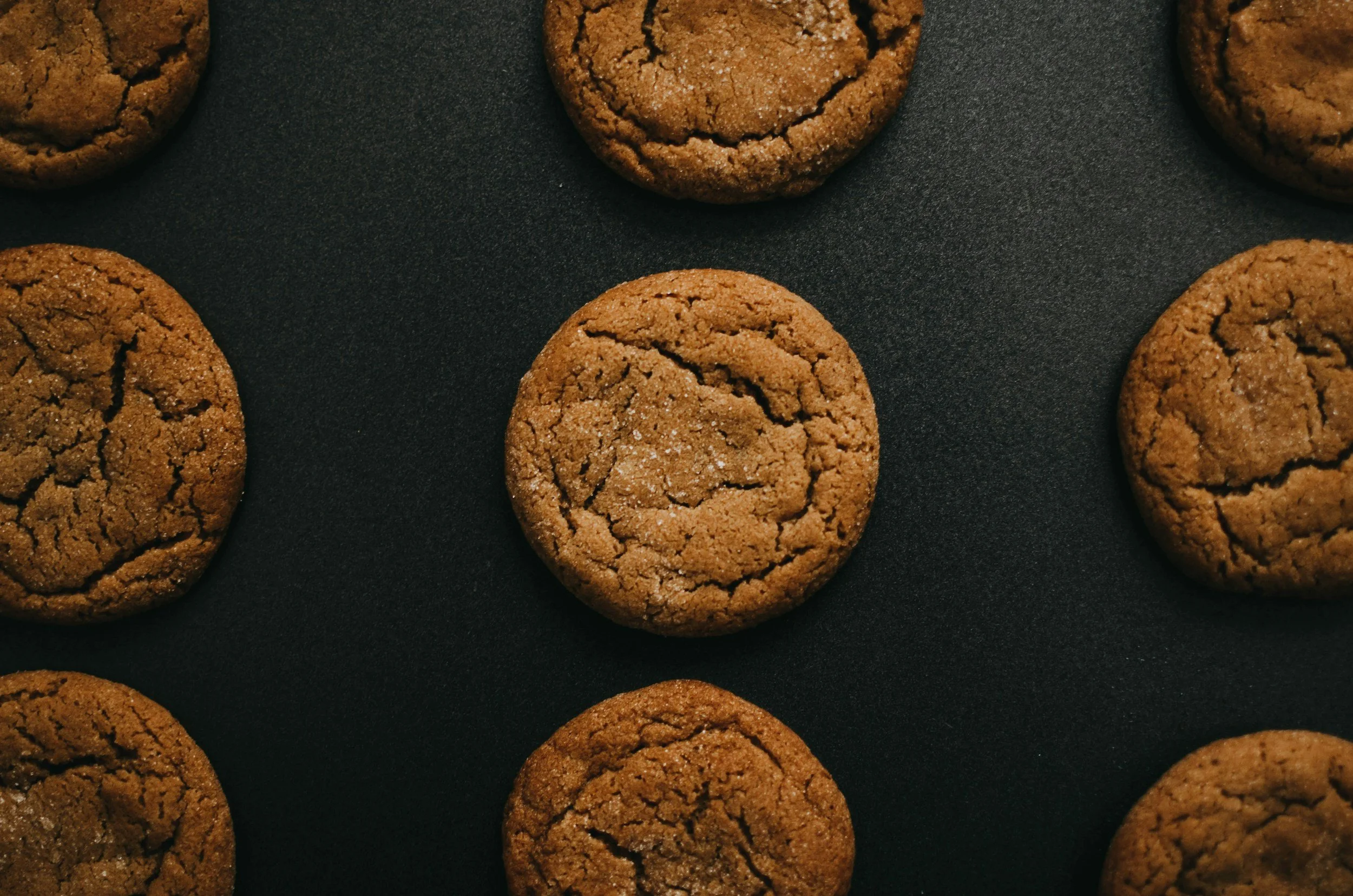
These are soft, chewy galettes that spread naturally as they bake, creating cookies with tender centers and slightly crisp edges. They're nothing like traditional gingerbread men (they’re far too soft for cookie cutters), but that's exactly what makes them special. These are the gingerbread cookies you want with your morning coffee or afternoon tea.
My kids—and their friends—ask me to make these several times a year, especially in the fall and winter when that warm ginger spice feels just right. They've also become a staple during the holidays in our house, filling the kitchen with the most incredible aroma as they bake.
Why You'll Love This Recipe
Fresh Ginger Makes All the Difference: Real ginger root delivers bright, zesty flavour that ground ginger simply can't match. The garlic press method extracts all the spicy juice without the fibrous texture.
Make-Ahead Friendly: Mix the dough today, bake anytime in the next three days. Perfect for holiday prep or when you want fresh-baked cookies without day-of stress.
Simple Ingredient List: Just seven real ingredients you probably have in your pantry. No specialty items required.
Minimal Cleanup: The garlic press trick means no grater to wash, no ginger bits all over your cutting board.
Kid-Approved: These have been tested and loved by multiple rounds of kids and their friends. That's the real stamp of approval.
Equipment Needed
Mixing bowl (affiliate link)
Electric mixer or stand mixer with paddle attachment (optional, can mix by hand)
Garlic press (essential for this recipe)
Measuring cups and spoons
Sifter or fine-mesh strainer
Parchment paper
Plastic wrap or airtight container
Sharp knife
Baking sheet (affiliate link)
Wire cooling rack (affiliate link)
Ingredients
½ cup salted butter, softened
¼ cup brown sugar, packed
1 large egg
¾ cup fresh ginger, peeled and cubed (about 4-5 inches of ginger root)
¾ cup molasses (not blackstrap)
1 tsp baking soda
2 cups all-purpose flour, sifted
Instructions
Step 1: In a mixing bowl, cream together the softened butter and brown sugar until light and fluffy, about 2 minutes. Add the egg and mix until fully combined.
Step 2: Using a garlic press, press the ginger cubes, one at a time, directly into the butter mixture, squeezing out all the juice and pulp. Small ginger pieces will fall into the dough—this is fine and adds texture. Continue until all ginger has been pressed. Discard the leftover ginger fibres once pressed.
Step 3: Add the molasses and baking soda. Mix until everything is fully incorporated and the mixture is smooth and glossy.
Step 4: Add the sifted flour and gently fold in with a spatula or wooden spoon until just combined. The dough will be soft and slightly sticky. Don't overmix or the cookies will be tough.
Step 5: Transfer the dough onto a large sheet of parchment paper. Shape it into a log about 2-3 inches in diameter. Wrap tightly in the parchment, then wrap again in plastic wrap or place in a sealed container. Refrigerate for 24-72 hours.
Step 6: When ready to bake, preheat your oven to 350°F (175°C). Line a baking sheet with parchment paper.
Step 7: Remove the dough log from the fridge. While the dough is still cold and firm, use a sharp knife to slice into 1-inch thick rounds. Work quickly—the dough becomes sticky as it warms up. If it starts getting soft, return to the fridge for 15 minutes.
Step 8: Place cookie rounds on the prepared baking sheet, spacing them about 2 inches apart. They will spread during baking.
Step 9: Bake for 10-12 minutes. The cookies will look slightly underdone in the center with set edges—this is what you want. They will continue to cook as they cool.
Step 10: Let the cookies cool on the baking sheet for 5 minutes to set, then carefully transfer to a wire rack to cool completely. They'll be very soft when warm but will firm up as they cool.
Recipe Notes & Tips
About the Fresh Ginger: Don't skip this or substitute ground ginger. The fresh ginger is what makes these cookies special. Look for ginger root that has smooth, tight skin and no wrinkles. Young ginger is less fibrous and easier to press.
The Garlic Press Method: This is a game-changer for working with fresh ginger. It extracts all the flavourful juice and leaves behind the tough fibers. If you don't have a garlic press, finely grate the ginger and squeeze it through cheesecloth to extract the juice.
Why the Long Chill? The 24-72 hour rest isn't just about easier slicing. The flavours meld and deepen during this time. The molasses becomes less sharp, the ginger infuses throughout, and the cookies develop a more complex taste. Cookies baked after 24 hours taste good. Cookies baked after 48-72 hours taste incredible.
Slice While Cold: This is critical. If the dough warms up, it becomes very sticky and difficult to slice cleanly. The butter softens and the dough will stick to your knife and hands. If it starts getting soft, pop it back in the fridge for 15 minutes.
Don't Overbake: These cookies will look slightly underdone when you pull them from the oven. That's correct. They firm up as they cool. Overbaking will give you dry, hard cookies instead of the soft, chewy texture you want. The edges should be set and slightly darker, but centers should still look soft.
Do Not Use Cookie Cutters: These are galettes (rustic, free-form cookies), not structural gingerbread. The high butter content makes them too soft to roll and cut into shapes. They spread naturally as they bake. Embrace the simple, rustic look.
Butter Temperature Matters: Softened butter should be room temperature—it should leave a slight indent when pressed but not be greasy or melted. If your butter is too soft, the cookies will spread too much.
Storage & Freezing
Refrigerator: Store cooled cookies in an airtight container in the fridge for up to 5 days. They actually get better on day 2-3 as the flavours continue to develop. Place parchment paper between layers if stacking.
Freezing Baked Cookies: Freeze baked cookies in a freezer-safe container or zip-top bag for up to 3 months. Layer with parchment paper to prevent sticking. Thaw at room temperature for 30 minutes before serving.
Freezing Unbaked Dough: You can freeze the unbaked dough log (wrapped tightly in plastic wrap and then aluminum foil) for up to 3 months. Slice and bake directly from frozen, adding 1-2 minutes to the baking time. No need to thaw.
Variations & Additions
Crystallized Ginger: Fold in ¼ cup of finely chopped crystallized ginger after adding the flour for extra ginger punch and chewy texture.
Maple Ginger Cookies: Replace half the molasses with pure maple syrup for a lighter, slightly less intense flavour with maple undertones.
Lemon Ginger Cookies: Add 1 tsp of fresh lemon zest with the ginger for bright, citrusy notes that cut through the richness.
Dark Chocolate Ginger: Fold in ½ cup of dark chocolate chips after adding the flour. The bittersweet chocolate pairs beautifully with fresh ginger and molasses.
Ginger Spice Cookies: Add ½ tsp cinnamon and ¼ tsp ground cloves for a more traditional spiced cookie flavour alongside the fresh ginger.
Serving Suggestions
These soft gingerbread cookies pair perfectly with:
Hot coffee or espresso (the bitterness balances the sweetness)
Hot black tea, such as Orange Pekoe or English Breakfast
Chai tea or spiced tea
Cold milk (classic combination)
Vanilla ice cream (make ice cream sandwiches!)
Hot apple cider
Whipped cream or cream cheese frosting for special occasions
Frequently Asked Questions
Can I use ground ginger instead of fresh?
You can, but the flavour won't be the same. Fresh ginger has a bright, zesty, almost citrusy quality that ground ginger lacks. If you must substitute, use 2 tablespoons of ground ginger. The cookies will taste more like traditional gingerbread and less vibrant.
What does fresh ginger taste like in cookies?
Fresh ginger has a warm, spicy flavour with a slight sweetness and bright, peppery notes. It's more complex than ground ginger—less dusty, more alive. The juice extracted from fresh ginger distributes evenly throughout the dough, giving every bite that warming spice.
Why do I need to wait 24-72 hours?
The long chill time allows the fresh ginger to infuse the dough and lets all the flavours develop and meld together. The molasses mellows, the spices bloom, and the texture improves. It also makes the dough much easier to slice. You can technically bake after just a few hours of chilling, but the flavour won't be as deep and complex.
My dough is too sticky to slice. Where did I do wrong?
You didn't do anything wrong—the dough just warmed up. This happens because of the high butter content. Put it back in the fridge for 15-20 minutes and try again. Always slice while the dough is very cold. Work quickly and clean your knife between cuts if needed.
Can I make these into gingerbread men?
No, these cookies are too soft to hold a cut shape. They spread as they bake because of the high butter content, which is what gives them their soft, chewy texture. If you want cut-out gingerbread cookies, you'll need a different recipe with less butter and more flour for structure.
How do I know when they're done baking?
The edges will be set and slightly darker brown, but the centers will still look soft and shiny—almost underdone. They should not be brown all over or firm to the touch. Remember, they continue cooking as they cool on the pan. When in doubt, underbake rather than overbake.
Can I double this recipe?
Absolutely. Make two separate logs and store them in the fridge. You can bake one now and save one for later, or bake both at once using extra baking sheets. The dough freezes beautifully, so feel free to make a double batch.
Do I need to use salted or unsalted butter?
This recipe calls for salted butter, which adds a subtle savoury note that balances the sweetness of the molasses and brown sugar. If you only have unsalted butter, add ¼ tsp of salt to the dough when you add the flour.
Why use a garlic press for ginger?
A garlic press extracts the flavourful juice and soft pulp from fresh ginger while leaving behind the tough, fibrous strings that can be unpleasant in baked goods. It's faster than grating, more efficient than mincing, and means no stringy bits in your cookies. Plus, cleanup is much easier than washing a grater.
My cookies spread too much. What happened?
Make sure your butter is softened but not melted or greasy when you start. Also, the dough must be cold when it goes into the oven. If the dough warmed up while you were slicing, pop the cut cookies in the fridge for 10 minutes before baking. Finally, make sure you're measuring flour correctly (spoon and level, don't pack).
Can I add chocolate chips?
You can fold in ½ cup of dark chocolate chips after adding the flour. Dark chocolate (60-70% cacao) pairs beautifully with fresh ginger and molasses. Milk chocolate will be too sweet.
Are these ginger galettes healthy?
No. These are a treat, not a health food. However, they do contain fresh ginger (which has anti-inflammatory properties) and molasses (which contains iron and calcium). They're made with real ingredients and no artificial flavours or preservatives. Enjoy them in moderation as part of a balanced diet.
What's the difference between gingerbread cookies and molasses cookies?
Molasses cookies typically use ground ginger (if any ginger at all) and focus on the deep, sweet molasses flavour. Gingerbread cookies have a stronger ginger presence and more warming spices. These cookies bridge both—they have robust molasses flavour but the fresh ginger makes them distinctly "gingerbread."
Why are my cookies hard instead of soft?
Most likely, they were overbaked. These cookies should look slightly underdone when you remove them from the oven. They firm up as they cool but should remain soft and chewy. Overbaking by even 2-3 minutes can make them hard. Try reducing baking time by 1-2 minutes next time.
Final Thoughts
These soft gingerbread cookies prove that simple ingredients can create extraordinary flavour. The fresh ginger makes all the difference, and the make-ahead nature means you can enjoy warm cookies without the stress of last-minute baking.
Whether you're baking for your family, holiday gatherings, or just because you're craving that warming ginger spice, this recipe delivers every time. The garlic press trick will change how you use fresh ginger in all your baking.
Did You Make This Recipe? I want to see it!
Leave a ⭐ star rating and comment below to let us know how your ginger galettes turned out. Did you make any substitutions or additions? Share your tips and photos with us!
Share this recipe: Help others discover this delicious recipe by sharing it on Pinterest, Facebook, or Instagram. Tag us @Sageandsimplicity so we can see your beautiful creations!
📌 Pin it for later: Save this recipe to your Pinterest boards for easy access.
You Might also like:

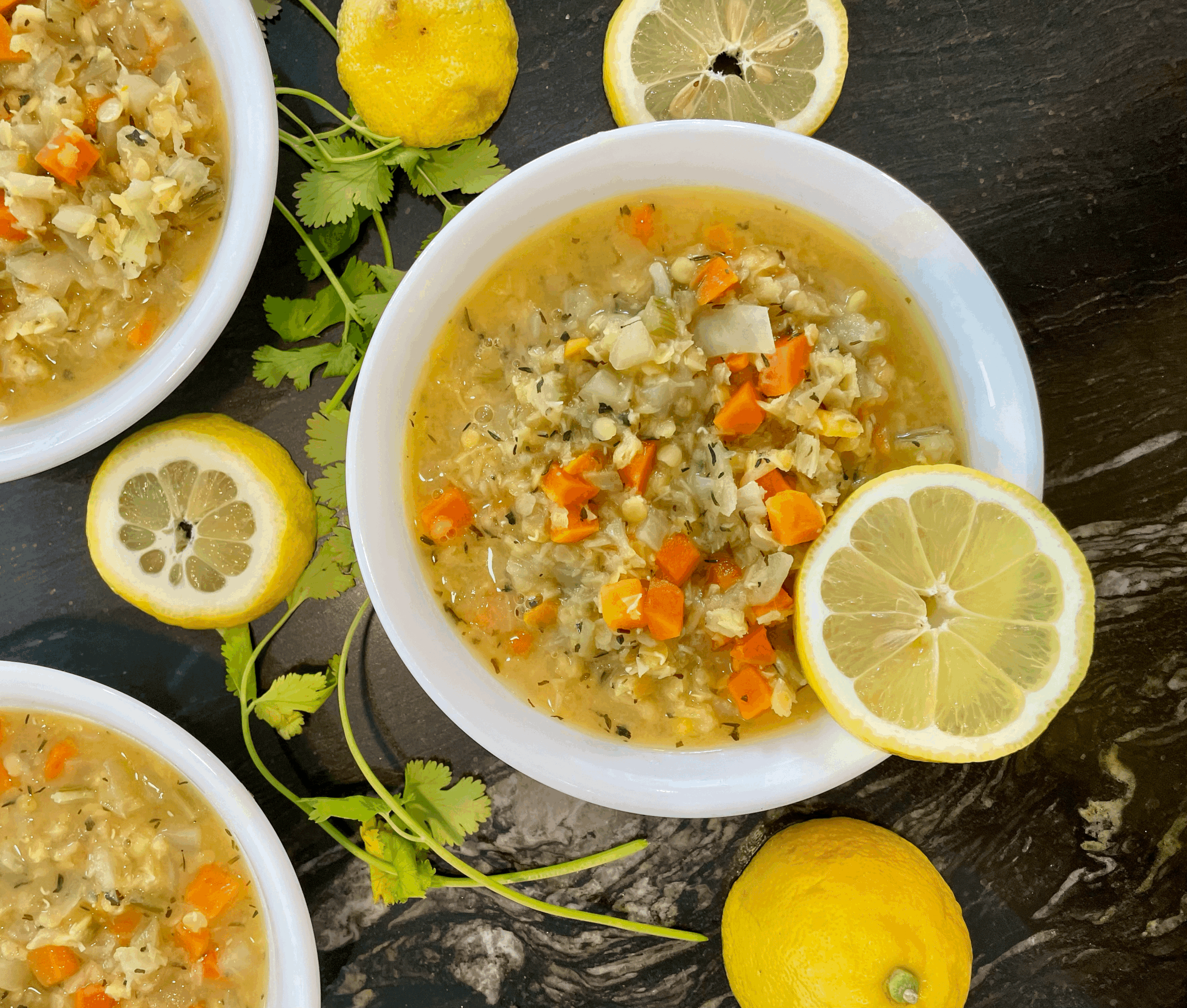
Carrot Ginger Soup: A Budget-Friendly Family Favorite Kids Truly Love
This creamy carrot ginger soup is the perfect blend of naturally sweet carrots and warming fresh ginger. Made with simple, wholesome ingredients, it's an easy recipe that's both comforting and nutritious but doesn’t break the bank!
The fresh ginger adds a subtle spicy kick that balances the sweetness of the carrots beautifully. This soup is perfect for cold weather days, healthy meal prep, or whenever you need a cozy, satisfying bowl of comfort.
Ready to make this delicious carrot ginger soup? Let's get started!
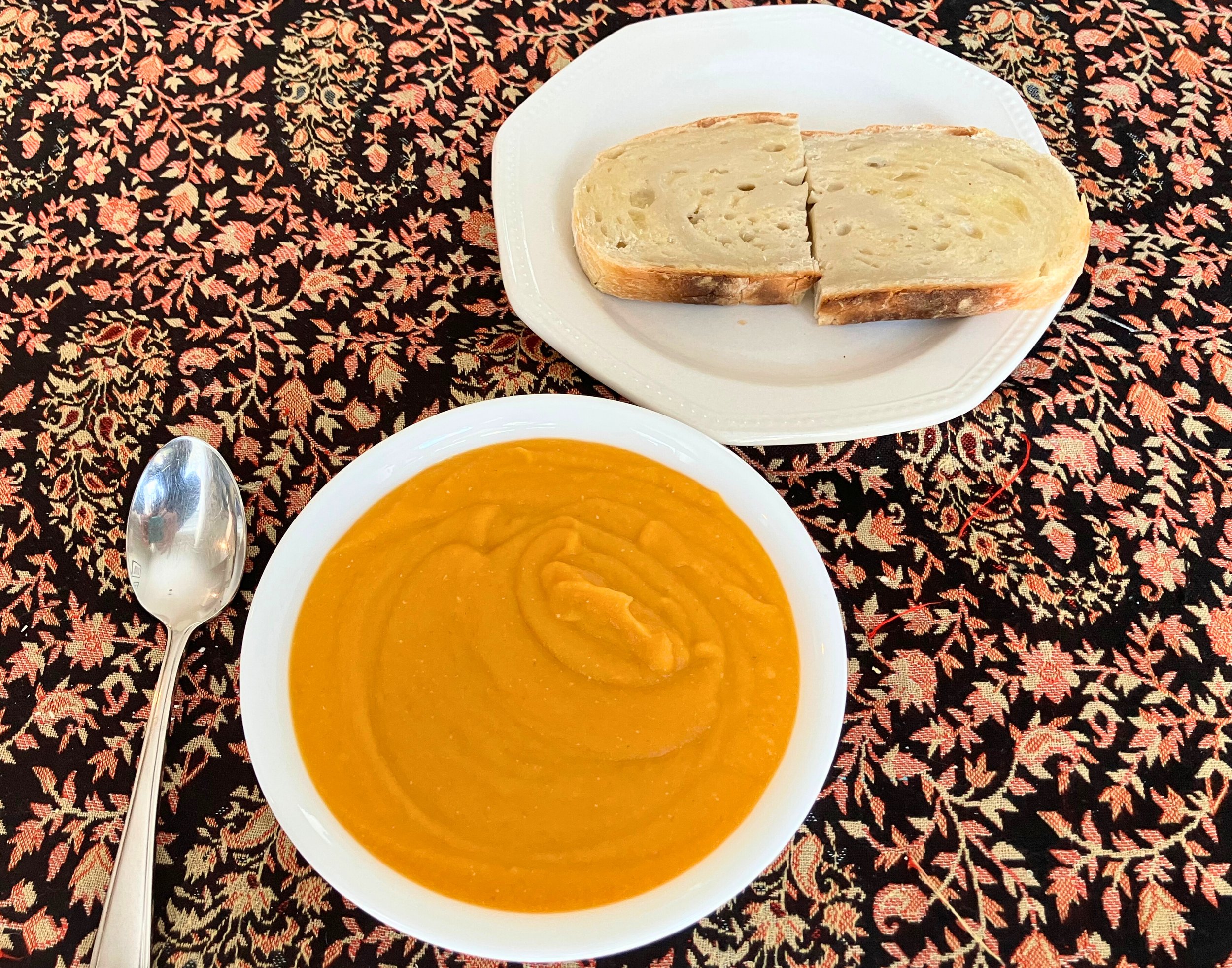
There’s something incredibly comforting about a pot of homemade soup simmering on the stove, especially when it’s simple, nourishing, and made with ingredients you likely already have on hand. This Carrot Ginger Soup recipe is one of those rare meals that checks every box: budget friendly, pantry-staple simple, and genuinely loved by kids. It’s smooth, mildly sweet, and warming without being spicy—making it a reliable go-to for busy weeknights and cozy lunches alike.
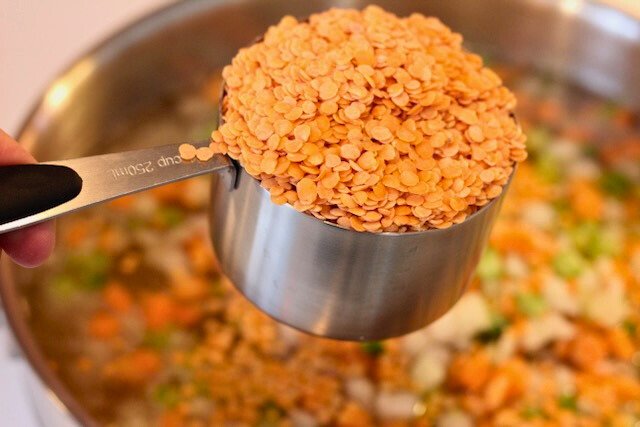
What makes this carrot ginger soup especially appealing is how accessible it is. With just a handful of vegetables, dried lentils, and broth, this recipe comes together without any fancy ingredients or complicated steps. Carrots and lentils are among the most affordable staples at the grocery store, yet they deliver incredible flavour and nutrition. If you’re looking for an inexpensive, healthy soup recipe that doesn’t feel like a compromise, this one is it.
Parents often ask for meals that work double duty, and this soup truly does. It’s thick, filling, and smooth—perfect for kids’ lunches, whether packed in a thermos for school or reheated at home. The natural sweetness of carrots combined with the warmth of ginger makes this soup especially appealing to younger palates. Best of all, many parents report the same happy surprise: kids don’t just tolerate this soup, they actually ask for it.
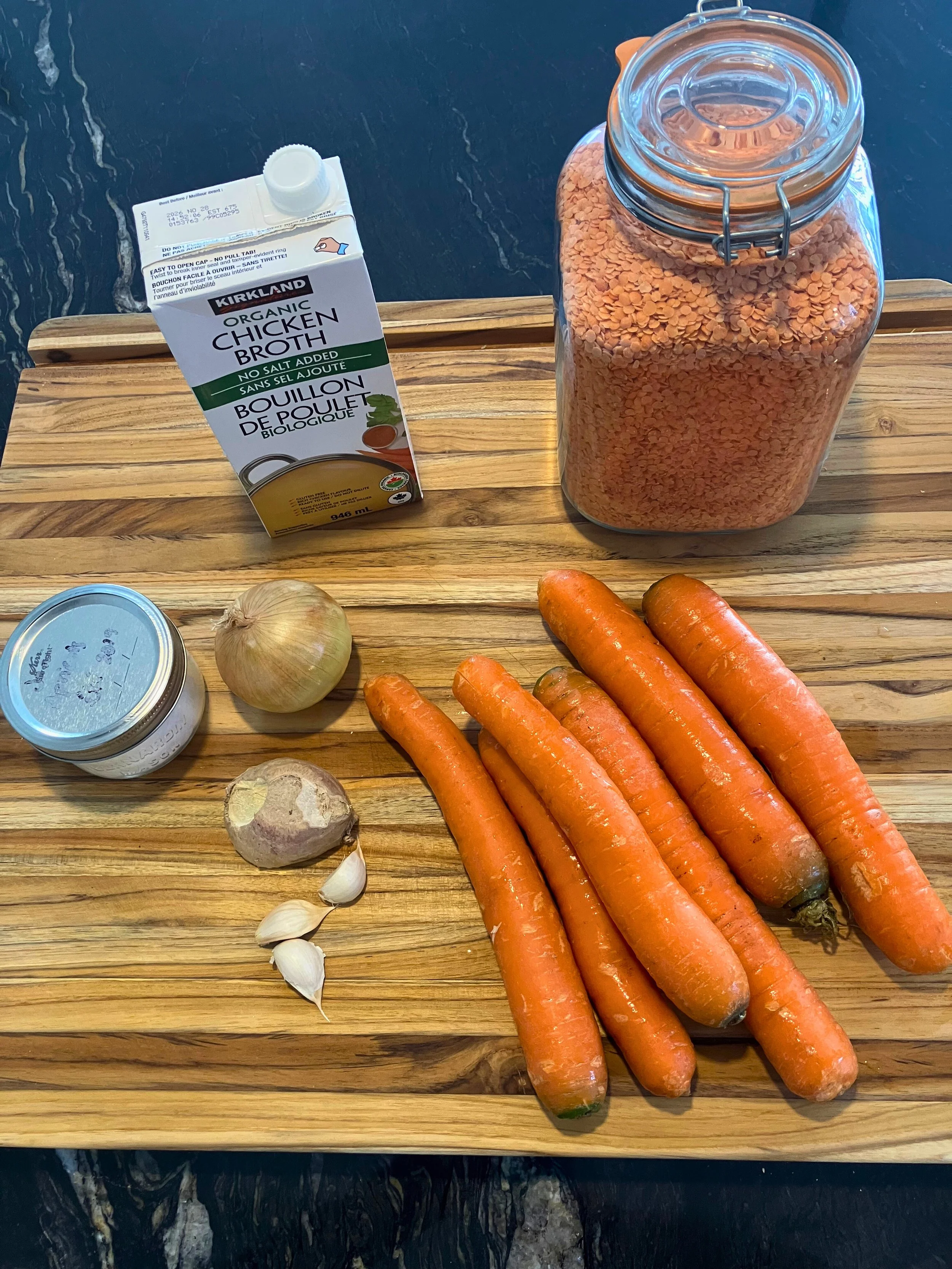
From a practical standpoint, this soup is forgiving and flexible. It doesn’t require precise chopping, exact timing, or constant attention. The red lentils dissolve naturally as they cook, creating a creamy texture without the need for dairy. Blending the soup and adding freshly pressed ginger at the end keeps the flavour bright and balanced, without overwhelming heat—another reason kids love it.
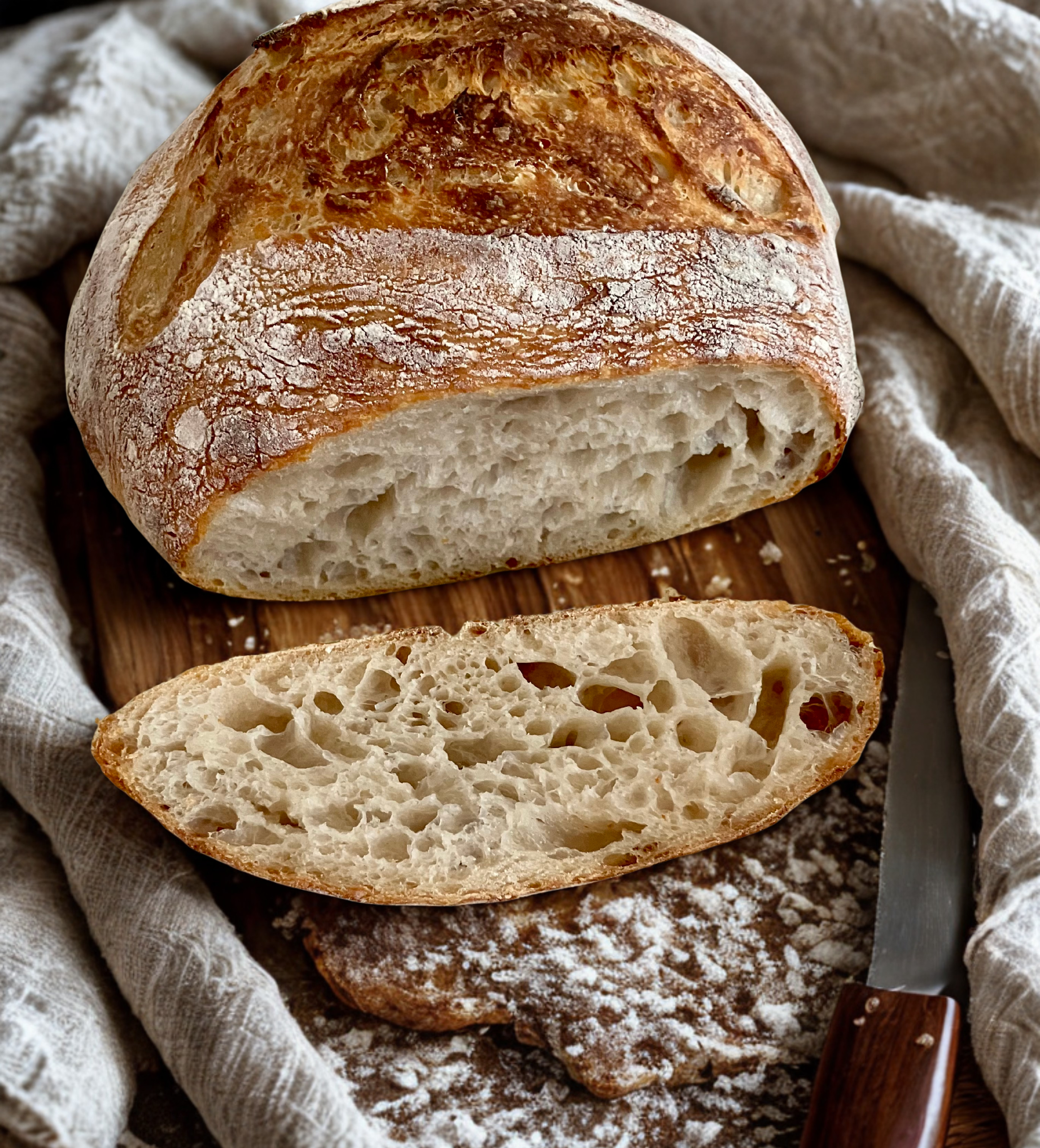
Served with toasted sourdough or warm, garlicky naan, this carrot ginger soup becomes a complete, satisfying meal that feels far more special than its cost suggests. Whether you’re cooking on a tight budget, planning school lunches, or simply looking for a family-friendly soup recipe, this is one you’ll come back to again and again.
Carrot Ginger Soup Recipe (Budget-Friendly & Kid-Approved)
Why You’ll Love This Soup
Affordable, pantry-staple ingredients
Naturally creamy, without the dairy
Perfect for kids’ lunches and family dinners
Mild, comforting flavour that kids genuinely enjoy
Freezer-friendly and easy to reheat
REcipe Card
Ingredients
5 medium carrots, diced
1 onion, diced
3 garlic cloves, diced
1 tbsp neutral oil (canola oil works well)
2 L chicken broth
1 cups red lentils
Salt, to taste
½ cup fresh ginger, peeled and cut into 1 cm cubes
Instructions
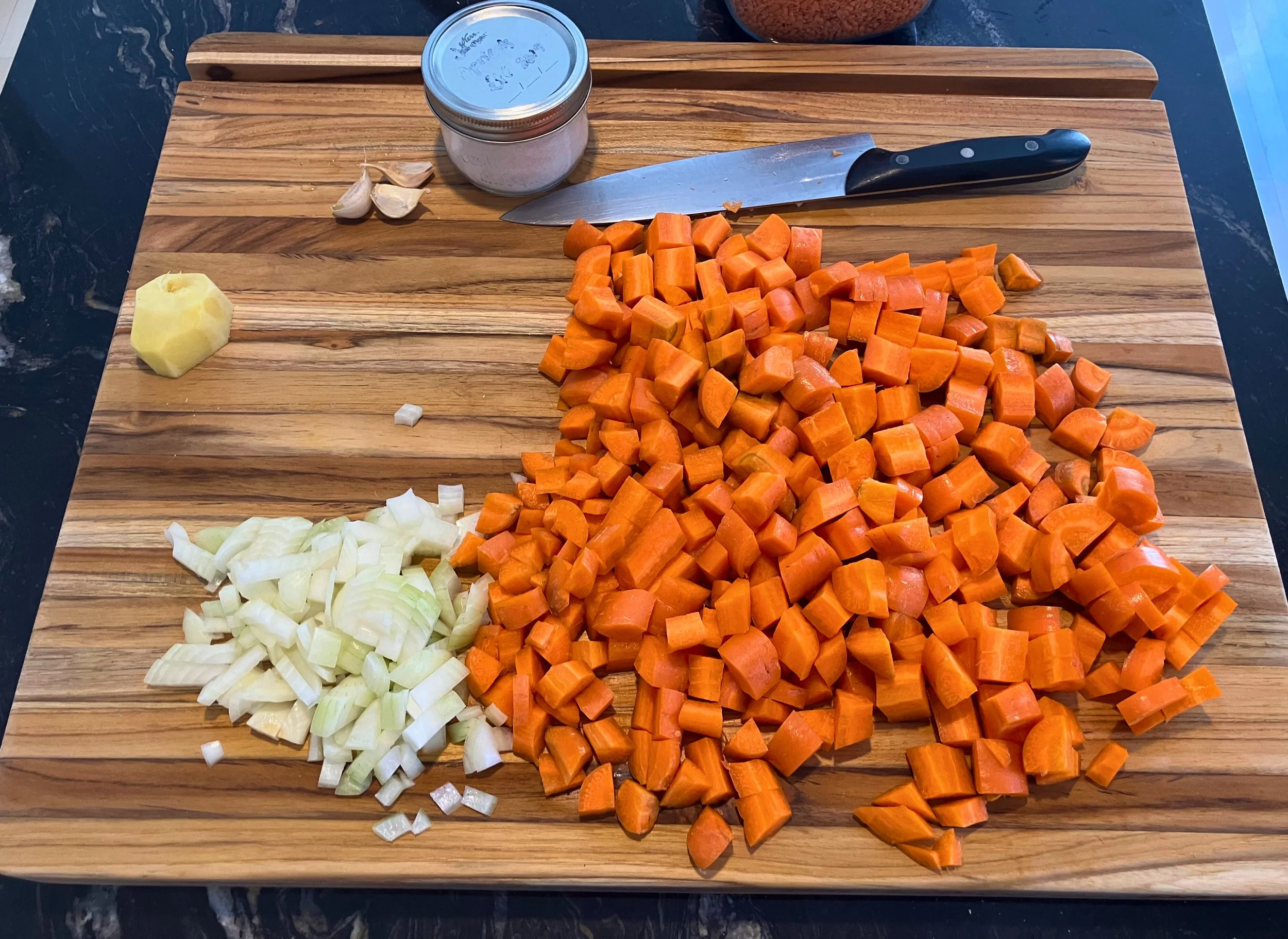
Dice the carrots, onion, and garlic.
In a large stock pot over medium-low heat, allow the pot to warm, then add the oil. Let the oil heat for about 2 minutes.
Add the carrots, onion, and garlic. Cook until the carrots are tender, about 7–10 minutes, stirring occasionally.
Add the red lentils and chicken broth. Season with salt to taste.
Cover and bring the soup to a boil.
Reduce heat and simmer, stirring occasionally, until the lentils have dissolved and the soup thickens.
Blend the soup using an immersion blender until smooth.
Using a garlic press, press the ginger directly into the soup, allowing the juice to mix in. Discard the remaining fibrous ginger.
Stir well and serve warm.
Serving Suggestions
This soup pairs beautifully with freshly toasted sourdough breador garlicky naan for dipping. For kids’ lunches, pack it hot in a thermos—it stays warm and comforting for hours.
Storage & Lunchbox Tips
Store leftovers in the fridge for up to 4 days
Freeze in individual portions for quick meals
Ideal for school lunches due to its smooth, mess-free texture
How Do I Make Carrot Ginger Soup? Step-by-step guide
Step 1:
To make carrot ginger soup, start by dicing five medium carrots, one onion, and three cloves of garlic. Heat one tablespoon of neutral oil, such as canola oil, in a large stock pot over medium-low heat. Once the oil is warm, add the carrots, onion, and garlic. Cook for seven to ten minutes, stirring occasionally, until the carrots are tender.
Step 2:
Next, add two cups of red lentils and four liters of chicken broth to the pot. Season with salt to taste. Cover the pot and bring the soup to a boil. Once it starts boiling, reduce the heat and let it simmer. Stir occasionally and cook until the lentils dissolve and the soup thickens.
Step 3:
When the soup is fully cooked, blend it directly in the pot using an immersion blender until smooth and creamy. This creates a naturally thick soup without using cream or dairy.
Step 4:
To finish the soup, press fresh ginger into the pot using a garlic press. Use about half a cup of peeled ginger pieces. This step adds flavour without leaving fibrous bits in the soup. Discard the remaining ginger pulp, stir well, and serve.
Final thoughts:
Carrot ginger soup is budget friendly, easy to make with pantry staples, and kid-approved. It pairs well with toasted sourdough or naan and works perfectly for kids’ lunches or simple family dinners.
frequently asked questions
Is carrot ginger soup healthy?
Yes. Carrot ginger soup is healthy. It’s made with carrots, red lentils, garlic, and ginger, which provide fiber, protein, and natural vitamins. This soup is naturally dairy-free and filling, making it a nourishing option for family meals.
Is carrot ginger soup good for kids?
Yes. Carrot ginger soup is great for kids. It has a smooth texture and a naturally sweet flavour from carrots. The ginger adds warmth without being spicy, which is why many kids enjoy it and happily eat it for lunch or dinner.
Can I make carrot ginger soup ahead of time?
Yes, carrot ginger soup is perfect for making ahead. It stores well in the fridge for up to four days and freezes easily. This makes it ideal for meal prep, school lunches, and busy weeknights.
How do I store carrot ginger soup?
Store carrot ginger soup in an airtight container in the refrigerator for up to four days. For longer storage, freeze individual portions and reheat as needed.
Can carrot ginger soup be frozen?
Yes. carrot ginger soup freezes very well. Let it cool completely, then freeze in freezer-safe containers for up to three months. Thaw overnight in the fridge or reheat directly from frozen.
Is carrot ginger soup budget friendly?
Yes. carrot ginger soup is very budget friendly. It uses inexpensive pantry staples like carrots, lentils, onion, and broth, making it an affordable meal for families.
Does carrot ginger soup need cream?
No, carrot ginger soup does not need cream. The red lentils dissolve as they cook, creating a naturally creamy texture without dairy.
What goes well with carrot ginger soup?
Carrot ginger soup pairs well with toasted sourdough bread, naan, grilled cheese, or simple crackers. These sides make it a filling and kid-friendly meal.
Can I use an immersion blender for carrot ginger soup?
Yes. an immersion blender works best for carrot ginger soup. It blends the soup directly in the pot, making it smooth and easy with minimal cleanup.
final thoughts
This soup is amazing!
did you make this recipe? I want to see it!
Leave a picture and a ⭐ star rating and comment below to let us know how your muffins turned out. Did you make any substitutions or additions? Share your tips and photos with us!
Share this recipe: Help others discover this delicious recipe by sharing it on Pinterest, Facebook, or Instagram. Tag us @Sageandsimplicity so we can see your beautiful creations!
📌 Pin it for later: Save this recipe to your Pinterest boards for easy access.